Clinical Depression and Cognitive Behavioral Therapy: How CBT Treats Major Depression
Clinical Depression and Cognitive Behavioral Therapy: How CBT Treats Major Depression
Clinical depression affects millions of people every year, and finding the right treatment can feel overwhelming. Among the most researched and effective treatments available is cognitive behavioral therapy, commonly known as CBT. If you or someone you care about is living with clinical depression, understanding how CBT works can help you take the first step toward feeling better.
This guide covers what clinical depression actually is, how cognitive behavioral therapy addresses it, what happens during sessions, the specific techniques therapists use, and how to find a CBT therapist who specializes in depression.
What Is Clinical Depression?
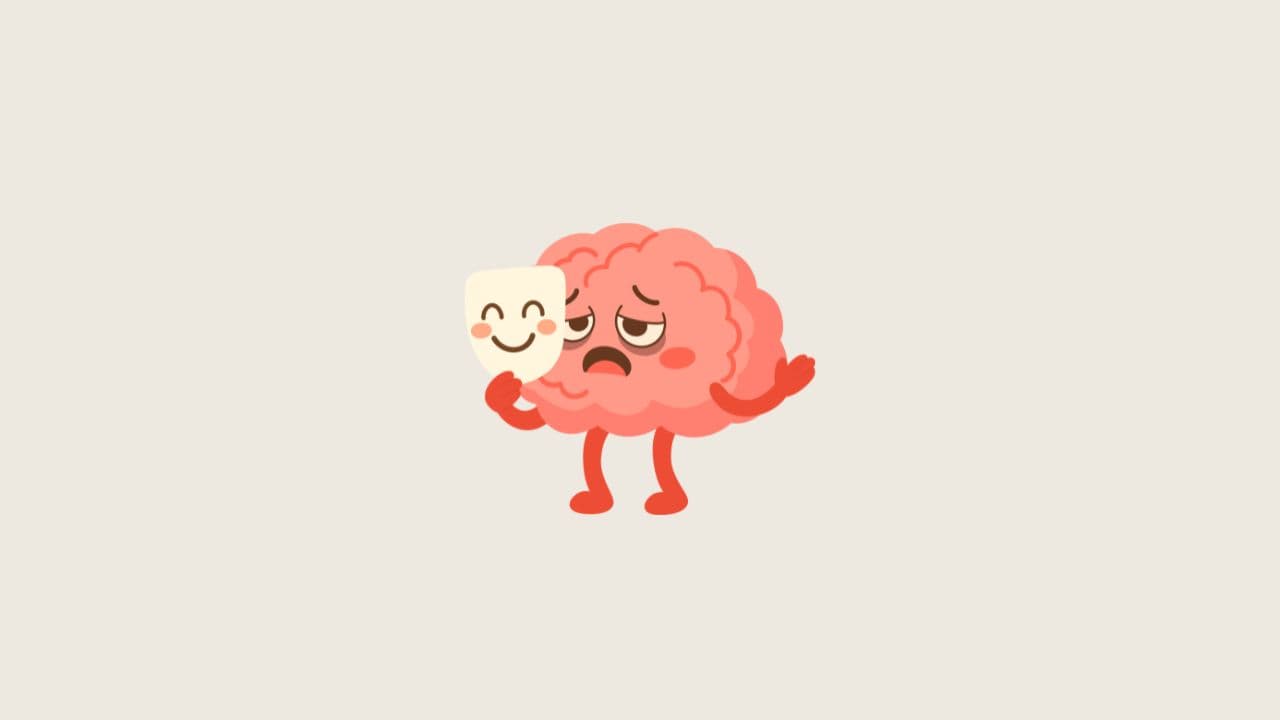
Clinical depression, also known as major depressive disorder (MDD), is more than occasional sadness. It is a diagnosable mental health condition that affects how you think, feel, and function in daily life. To be diagnosed with clinical depression, symptoms must persist for at least two weeks and represent a change from your previous level of functioning.
Common symptoms of clinical depression include persistent sadness or an empty mood, loss of interest in activities you once enjoyed, significant changes in appetite or weight, difficulty sleeping or sleeping too much, fatigue and low energy, feelings of worthlessness or excessive guilt, trouble concentrating or making decisions, and in some cases, thoughts of death or suicide.
Clinical depression is not a sign of weakness or something you can simply snap out of. It is a medical condition with biological, psychological, and environmental components, and it responds well to evidence-based treatments like cognitive behavioral therapy.
What Is Cognitive Behavioral Therapy?
Cognitive behavioral therapy is a structured, evidence-based form of psychotherapy developed by psychiatrist Aaron Beck in the 1960s. Since then, decades of research have established CBT as one of the most effective treatments for depression and a wide range of other mental health conditions.
The core idea behind CBT is straightforward: your thoughts, feelings, and behaviors are all connected. When you experience clinical depression, your thinking patterns often become distorted in ways that reinforce negative emotions and withdrawal from life. CBT helps you identify these distorted thought patterns, challenge them, and replace them with more balanced and realistic ways of thinking.
Unlike some forms of therapy that focus primarily on exploring your past, CBT is present-focused and goal-oriented. You work with your therapist on specific, practical strategies to change the patterns that keep depression going.
How Does CBT Treat Clinical Depression?
CBT addresses clinical depression by targeting what therapists call the cognitive triad: negative views of yourself, negative views of the world around you, and negative views of the future. When someone is clinically depressed, these three areas of thinking tend to become deeply distorted.
For example, a person with clinical depression might think "I am worthless" (negative self-view), "nothing good ever happens" (negative world-view), and "things will never get better" (negative future-view). These thoughts feel absolutely real and true when you are depressed, but CBT helps you examine the evidence and discover that these thoughts are often inaccurate or exaggerated.
CBT treats clinical depression through two main pathways: cognitive techniques that address how you think, and behavioral techniques that address what you do.
Cognitive Techniques
Cognitive restructuring is at the heart of CBT for depression. Your therapist helps you identify automatic negative thoughts, which are the reflexive, often unconscious thoughts that pop into your mind throughout the day. Once you start noticing these thoughts, you learn to evaluate them objectively rather than accepting them as facts.
Common cognitive distortions that show up in clinical depression include all-or-nothing thinking (seeing things in black and white with no middle ground), overgeneralization (taking one negative event and assuming it applies to everything), mental filtering (focusing only on negatives while ignoring positives), disqualifying the positive (dismissing good things as flukes or exceptions), and catastrophizing (assuming the worst possible outcome will happen).
Your therapist teaches you to catch these patterns in real time and reframe them into more accurate, balanced thoughts. This is not about positive thinking or pretending everything is fine. It is about seeing situations clearly instead of through the distorted lens of depression.
Behavioral Techniques
Depression often creates a vicious cycle: you feel bad, so you withdraw from activities, which makes you feel worse, which leads to more withdrawal. Behavioral activation is a core CBT technique that breaks this cycle by gradually reintroducing meaningful and pleasurable activities into your life, even when motivation is low.
Your therapist may also work with you on activity scheduling (planning specific activities for each day), graded task assignment (breaking overwhelming tasks into small manageable steps), and skills training to improve problem-solving, communication, or stress management.
What Happens During CBT Sessions for Depression?
CBT for clinical depression typically involves weekly sessions lasting about 50 to 60 minutes each. A full course of treatment usually runs between 12 and 20 sessions, though this varies depending on the severity of your depression and your individual needs.
Sessions follow a fairly structured format. In the early phase, your therapist conducts an assessment to understand your symptoms, history, and what you want to achieve. Together, you set clear goals for therapy, such as reducing depressive symptoms, improving sleep, returning to work, or rebuilding relationships.
During the working phase, each session typically starts with a brief check-in on your mood, followed by a review of any homework from the previous week. You and your therapist then work together on a specific issue using cognitive and behavioral techniques. Sessions end with a summary and new homework assignments to practice what you learned.
Homework is a critical part of CBT. The skills you learn in session need to be practiced between sessions for them to create lasting change. Common homework assignments include keeping a thought record where you track situations, automatic thoughts, and emotions, scheduling and completing behavioral activation tasks, and practicing cognitive restructuring on your own.
In the later phase of therapy, the focus shifts to maintaining your gains and preventing relapse. You develop a personalized plan for recognizing early warning signs of depression and using your CBT skills to address them before symptoms escalate.
How Effective Is CBT for Clinical Depression?
CBT is one of the most extensively studied treatments in all of mental health. Research consistently shows that it is effective for mild, moderate, and severe clinical depression. Studies have found that CBT is as effective as antidepressant medication for many people with depression, and the benefits tend to last longer after treatment ends because you have learned skills you can continue using on your own.
For more severe cases of clinical depression, combining CBT with medication often produces the best outcomes. CBT remains a core evidence-based treatment recommended by major clinical guidelines worldwide, and research continues to support its effectiveness both as a standalone treatment and in combination with other approaches.
CBT has also been adapted successfully for different delivery formats, including individual therapy, group therapy, online or digital CBT programs, and even app-based tools, making it more accessible than ever before.
CBT vs Other Therapies for Clinical Depression
While CBT is among the most well-known treatments for depression, it is not the only option. Understanding how it compares to other approaches can help you make an informed choice.
Interpersonal therapy (IPT) focuses on improving your relationships and communication patterns that contribute to depression. It is similarly well-supported by research and may be a better fit if your depression is closely tied to relationship issues or major life transitions.
Psychodynamic therapy explores how past experiences and unconscious patterns influence your current mood and behavior. It tends to be longer-term and less structured than CBT, and some people prefer its exploratory approach.
Medication, particularly SSRIs and SNRIs, is often used alongside CBT. For some people, medication provides enough symptom relief to engage more effectively in therapy, while CBT builds the long-term skills that protect against future episodes.
The best treatment is the one that works for you. Many therapists integrate elements from multiple approaches based on your specific needs.
How to Find a CBT Therapist for Clinical Depression
Finding the right therapist makes a significant difference in your treatment outcomes. Here are some practical steps to find a qualified CBT therapist who specializes in depression.
Start by looking for a licensed mental health professional such as a psychologist, licensed clinical social worker (LCSW), licensed professional counselor (LPC), or psychiatrist. Ask specifically about their training and experience in CBT for depression, not just general therapy experience.
You can search therapist directories like ApprovedTherapists.com to find verified, licensed therapists near you or available online. Many CBT therapists offer telehealth sessions, which means you are not limited to providers in your immediate area.
When you contact a potential therapist, consider asking how much of their practice is devoted to CBT, what their experience is treating clinical depression specifically, how they structure sessions and whether they assign homework, and how long treatment typically takes for someone with your concerns.
A good CBT therapist will be collaborative, structured, and focused on giving you practical tools you can use both during and after therapy.
When to Seek Help for Clinical Depression
If you have been experiencing symptoms of depression for more than two weeks, it is worth reaching out to a mental health professional. Early treatment often leads to better outcomes, and you do not need to wait until things feel unbearable before seeking help.
Clinical depression is highly treatable, and cognitive behavioral therapy gives you a proven, practical path forward. The skills you learn in CBT are not just for therapy sessions. They become part of how you handle challenges, setbacks, and difficult emotions for the rest of your life.
If you are looking for a licensed therapist who specializes in cognitive behavioral therapy for depression, search ApprovedTherapists.com to find verified providers near you or online. One search. Real therapists. No monthly fees.