How to Explain Severe Anxiety to Someone Who Doesn't Understand It
How to Explain Severe Anxiety to Someone Who Doesn't Understand It
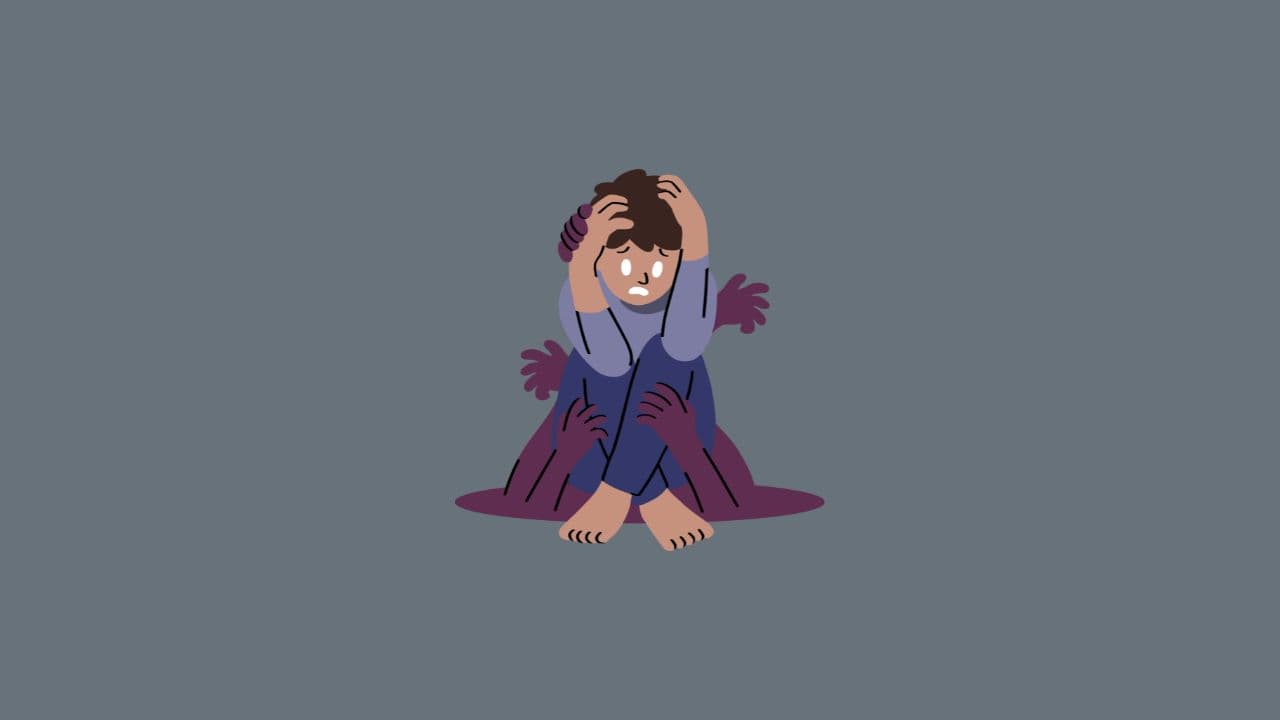
One of the most isolating parts of severe anxiety is not the anxiety itself — it's the feeling that no one around you truly understands what it's like. Partners say "just stop worrying." Parents say you were always such a worrier. Friends tell you to relax and come out anyway.
You want them to get it. But how do you put into words something that feels so physical, so irrational, and so overwhelming — to someone who just doesn't experience the world that way?
Why Explaining Anxiety Is Hard
Anxiety is invisible. There's no cast, no rash, no test result you can show someone. And because most people experience some anxiety — before a job interview, on a first date — many assume they understand it. They don't realise that severe anxiety is a different class of experience entirely.
It's a bit like comparing a rainy day to a hurricane and assuming you know what a hurricane feels like because you've been rained on.
Analogies That Can Help
Sometimes the most useful tool is an analogy. Here are several that people with severe anxiety find genuinely communicate the experience:
The fire alarm in a library
Imagine a smoke detector so sensitive that it goes off when you make toast. Every single morning. Sometimes in the middle of the night. The alarm is loud, real, and takes a while to stop — but there's no fire. Your body is that smoke alarm. The threat-detection system is working, it's just calibrated wrong. You can't simply turn it off.
The car with no neutral
Most people have a gear called neutral — calm, resting, not engaged. Severe anxiety means you're either in drive (at full speed, heart racing, mind churning) or reverse (exhausted, avoiding, shutting down). There's no neutral. No easy rest mode.
Being chased in a dream
You know logically it's a dream. You tell yourself to stop running. But your heart is still hammering and your legs are still moving because your body doesn't know the difference between the dream and reality. Severe anxiety works the same way — the body responds to perceived threat exactly as it would to real danger, even when your rational mind knows there's no actual danger.
What to Say Directly
If analogies feel too abstract, here are some direct ways to describe what severe anxiety feels like:
About the physical experience: "When my anxiety is bad, I get chest tightness, a racing heart, and I feel like I can't breathe properly. It doesn't feel like worry — it feels like something is physically wrong with me. Even though I know intellectually it's anxiety."
About intrusive thoughts: "The thoughts feel automatic. It's not that I choose to think about worst-case scenarios — they just arrive. Like my brain is constantly running a simulation of everything that could go wrong."
About avoidance: "When I cancel plans, it's not because I don't want to see you. It's that by the time it gets to that day, the anxiety about going has built up so much that I'm already exhausted before I've done anything."
About reassurance-seeking: "When I ask you the same thing repeatedly, I know on some level you've already answered. But my brain can't hold onto the reassurance — it just keeps asking. It's not a trust issue. It's how the anxiety works."
What You Don't Owe Anyone
It's worth saying clearly: you do not owe anyone a perfect explanation of your mental health. Explaining anxiety can be therapeutic and connecting — but it can also be exhausting, especially when you're already depleted.
If someone doesn't believe your experience after you've made genuine effort to explain it, that is about their limitations, not yours.
Preparing for the Conversation
If you want to have a serious conversation with someone important to you about your anxiety, a few things help:
- Choose a calm moment — not during or immediately after an anxiety episode.
- Be specific — "when X happens, I experience Y, and what I need is Z" is more useful than general descriptions.
- Tell them what you need from them — some people want to be held, some want space, some want distraction. Say it.
- It may take more than one conversation — people don't always understand immediately. That's okay.
When Explanation Isn't Enough
Sometimes the people in your life genuinely try but can't quite get there. And sometimes, severe anxiety needs more than better communication — it needs professional support.
Therapy doesn't just help you manage anxiety. It can help you communicate about it more clearly, understand your own patterns, and build a life where anxiety has less control.
If you're looking for a therapist who works with severe anxiety, you can browse profiles on ApprovedTherapists.com. It's a directory of therapists — we don't verify or endorse individual practitioners, so please take time to read profiles carefully and reach out with any questions before booking.
Key Takeaways
- Severe anxiety is often difficult to explain because it's invisible and frequently misunderstood.
- Analogies like "the fire alarm in a library" or "the car with no neutral" can help people grasp the experience.
- Specific, direct language about physical sensations, intrusive thoughts, and avoidance often communicates better than general descriptions.
- You don't owe anyone a perfect explanation — but opening the conversation can reduce isolation.
This article is for informational purposes only.