What Are the Physical Symptoms of Extreme Anxiety? Everything You Need to Know
What Are the Physical Symptoms of Extreme Anxiety?
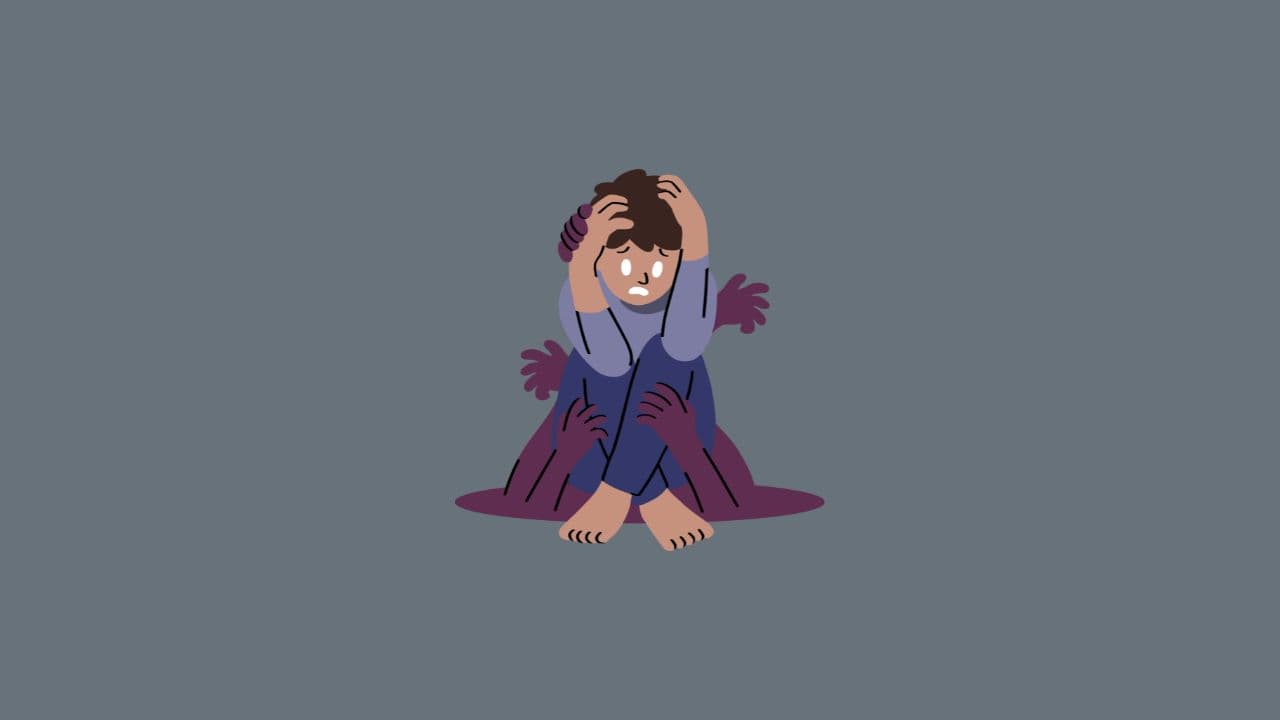
Anxiety is not just a mental experience. When it reaches extreme levels, it produces a cascade of physical symptoms that can be deeply alarming — and easily mistaken for other medical conditions. Understanding what your body is doing, and why, is one of the most important steps toward managing extreme anxiety.
Why Extreme Anxiety Causes Physical Symptoms
When the brain detects a threat — real or perceived — it activates the autonomic nervous system, triggering the stress response. Hormones like adrenaline (epinephrine) and cortisol are released, preparing the body to fight or flee.
In extreme anxiety, this response fires too easily, too strongly, or too often. Every system in your body is affected.
The Full List of Physical Symptoms of Extreme Anxiety
Cardiovascular Symptoms
- Racing heart (tachycardia): Your heart beats faster to pump blood to your muscles.
- Heart palpitations: A fluttering or pounding sensation, sometimes felt in the throat.
- Chest pain or pressure: Muscular tension and hyperventilation can create genuine chest discomfort.
Respiratory Symptoms
- Shortness of breath: A feeling of not being able to get enough air.
- Rapid, shallow breathing (hyperventilation): Can worsen dizziness and tingling.
- Feeling of choking or throat tightness: The throat muscles can tense during acute anxiety.
Neurological Symptoms
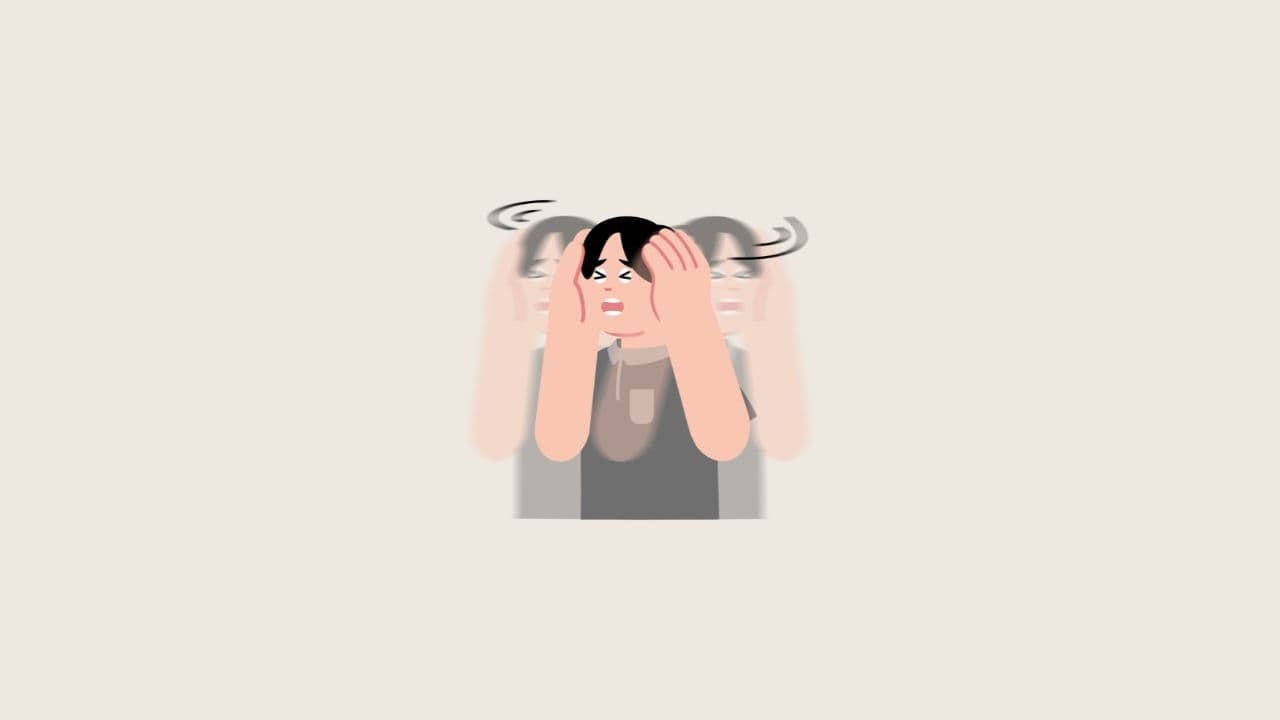
- Dizziness and lightheadedness
- Tingling or numbness (especially hands, feet, face)
- Headaches, often tension-type
- Brain fog — difficulty concentrating or thinking clearly
- Derealization — feeling detached from reality
Gastrointestinal Symptoms
- Nausea or upset stomach
- Diarrhoea or sudden urge to use the bathroom
- Cramping and bloating
- Loss of appetite or, conversely, stress eating
Musculoskeletal Symptoms
- Muscle tension and aches (particularly neck, shoulders, back)
- Trembling or shaking
- Jaw clenching or teeth grinding
- Restlessness and inability to sit still
Skin and Temperature Symptoms
- Sweating (particularly on palms, face, underarms)
- Hot flushes or cold chills
- Flushing or redness in the face
- Skin crawling sensations
Sleep and Energy Symptoms
- Insomnia or disturbed sleep despite exhaustion
- Fatigue that doesn't resolve with rest
- Waking during the night with a racing heart
- Early morning anxiety — many people wake at 3–4am in a state of dread
Why These Symptoms Feel So Frightening
The cruel irony of extreme anxiety is that its physical symptoms are so convincing that they increase anxiety further. You feel your heart pound, and you think something is wrong with your heart — which makes your heart pound harder. You feel breathless, and panic about not being able to breathe — which makes you hyperventilate more.
This is the anxiety spiral: physical sensation → catastrophic interpretation → more anxiety → more physical sensation.
Symptoms That Warrant Medical Attention
While most anxiety symptoms are not medically dangerous, some overlap with conditions that do require urgent evaluation. See a doctor if:
- Chest pain is severe or accompanied by arm pain/jaw pain
- Shortness of breath comes on at rest with no clear trigger
- Heart palpitations are persistent, irregular, or accompanied by fainting
- Neurological symptoms (tingling, numbness) are one-sided or progressive
- Symptoms began suddenly after a new medication
Always rule out physical causes first. Thyroid disorders, anaemia, heart arrhythmias, inner ear disorders, and blood sugar issues can all mimic anxiety.
How Long Do Extreme Anxiety Symptoms Last?
- Acute anxiety or panic attack: Peaks within 10 minutes, usually subsides within 20–30 minutes.
- Anxiety episode triggered by a stressor: Can last hours or days.
- Chronic extreme anxiety: Physical symptoms may be near-constant at a lower level, with periodic intensification.
Managing Physical Symptoms in the Moment
Several evidence-based techniques can help interrupt the physical anxiety spiral:
Diaphragmatic breathing: Breathe in for 4 counts, hold for 2, breathe out for 6. The extended exhale activates the parasympathetic nervous system.
Grounding (5-4-3-2-1): Name 5 things you can see, 4 you can touch, 3 you can hear, 2 you can smell, 1 you can taste. Re-anchors your nervous system to the present.
Progressive muscle relaxation: Systematically tense and release muscle groups to discharge stored tension.
Temperature intervention: Splashing cold water on your face activates the dive reflex and can rapidly slow heart rate.
When to See a Therapist
If extreme anxiety is affecting your quality of life, work, relationships, or physical health — therapy can offer lasting relief rather than just symptom management.
Therapists experienced in anxiety use approaches including:
- CBT (Cognitive Behavioural Therapy) — the gold standard for anxiety disorders
- Exposure therapy — gradually reducing avoidance behaviours
- Somatic therapy — working directly with the body's stored stress
- EMDR — particularly useful when anxiety is rooted in trauma
You can browse therapists specialising in anxiety at ApprovedTherapists.com. Note that we are a therapist directory — we list therapist profiles and contact details, but we do not individually verify or endorse any listed therapist. Always review credentials and have an initial conversation before committing to a therapist.
Summary
Extreme anxiety causes a wide range of physical symptoms — from heart palpitations and chest tightness to GI distress, muscle tension, dizziness, and fatigue. These are real physiological responses, not imagination. Understanding the science behind them reduces their power, and professional support can significantly reduce their frequency and intensity.
This article is for informational purposes only and is not a substitute for professional medical or psychological advice.