What Does Severe Anxiety Feel Like in the Body? A Complete Guide
What Does Severe Anxiety Feel Like in the Body?
Most people know anxiety as a feeling — a wave of dread before a job interview, a racing heart before a big presentation. But for those who experience severe anxiety, it goes far beyond nervousness. It becomes something that lives in the body, often without warning, and can be genuinely frightening.
If you've ever asked yourself "why does my body feel like this?" or been told your symptoms are "just anxiety" and found that answer deeply unsatisfying — this article is for you.
The Body-Mind Connection in Anxiety
Anxiety is your nervous system doing its job — just overdoing it. When your brain perceives danger (real or imagined), it activates the sympathetic nervous system, flooding your body with adrenaline and cortisol. Your heart rate spikes. Your muscles tighten. Your digestion slows.
This is the fight-or-flight response, and it was designed to help you outrun a predator. The problem is that modern anxiety triggers — work deadlines, social situations, health worries — don't resolve the way running from a bear would. So the physical response lingers, or returns constantly, without a clear "all clear" signal.
In severe anxiety, this system misfires repeatedly and intensely.
Physical Sensations of Severe Anxiety
1. Chest Tightness and Heart Palpitations
This is one of the most distressing physical symptoms. Your heart may feel like it's:
- Pounding rapidly (tachycardia)
- Skipping beats or fluttering
- Beating so hard you can feel it in your throat
Many people experiencing severe anxiety for the first time rush to the ER, convinced they are having a heart attack. While a medical evaluation is always wise to rule out cardiac causes, palpitations are a classic anxiety symptom.
The chest tightness comes from the muscles around your ribcage tensing up. Some people describe it as pressure on the chest, like someone sitting on them.
2. Shortness of Breath or Hyperventilation
Anxiety changes how you breathe. You may:
- Take rapid, shallow breaths (hyperventilation)
- Feel like you can't get a full breath
- Experience the urge to yawn repeatedly to get enough oxygen
Ironically, hyperventilating actually reduces carbon dioxide in the blood, which can intensify symptoms — causing dizziness, tingling, and even more panic.
3. Stomach and Digestive Distress
Your gut has more nerve endings than your spinal cord — often called the "second brain." Anxiety profoundly affects digestion, causing:
- Nausea and stomach cramps
- Sudden diarrhoea or urgency (sometimes called "anxiety gut")
- Bloating and loss of appetite
- Irritable bowel flare-ups
For many people with chronic severe anxiety, GI symptoms are their first — and most persistent — physical complaint.
4. Muscle Tension and Physical Pain
Prolonged anxiety keeps your muscles in a near-constant state of readiness. This shows up as:
- Tight, aching shoulders and neck
- Jaw clenching (bruxism), often at night
- Headaches caused by tension in the scalp and neck
- Lower back pain
- Trembling or shaking during acute episodes
Over time, this sustained tension becomes genuinely painful and can contribute to chronic pain conditions.
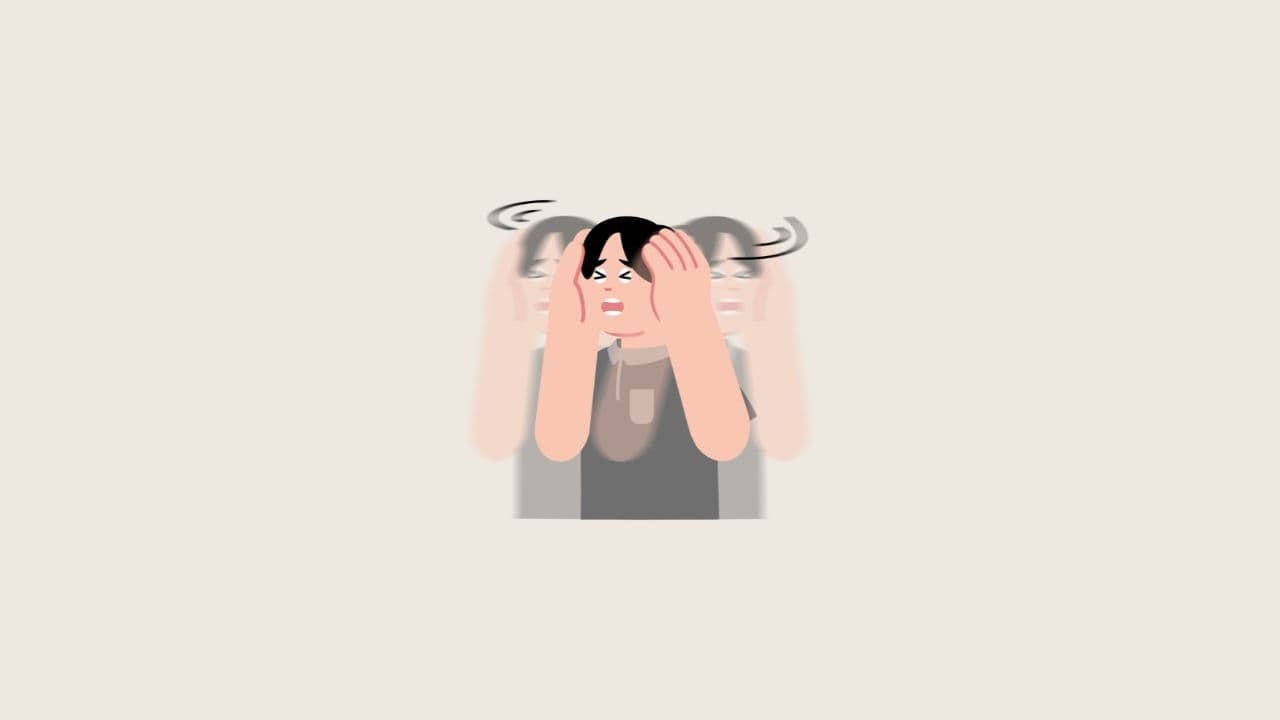
5. Dizziness and Feeling Unreal
A particularly frightening sensation — one that often sends people to neurologists — is derealization or depersonalization. This is when severe anxiety makes you feel:
- Detached from your surroundings, as if watching life through a glass screen
- Like your body isn't quite yours
- Dizzy, lightheaded, or like the room is tilting
This happens because hyperventilation and altered blood flow temporarily affect how your brain processes sensory input. It is not dangerous, but it is deeply unsettling.
6. Sweating, Flushing, and Temperature Changes
Your body tries to regulate temperature during an anxiety response. You might experience:
- Sudden sweating on your palms, face, or underarms — even in cold environments
- Hot flushes followed by chills
- A feeling of heat spreading through your chest
7. Tingling and Numbness
Pins and needles in your hands, feet, lips, or face are classic anxiety symptoms. Caused by hyperventilation and changes in circulation, this tingling can be alarming but is not harmful.
8. Fatigue That Runs Deep
Living with severe anxiety is exhausting. Your body is expending enormous energy on sustained alertness. The kind of tiredness that comes with chronic anxiety is bone-deep — a fatigue that sleep doesn't fully fix.
When Physical Symptoms Become a Panic Attack
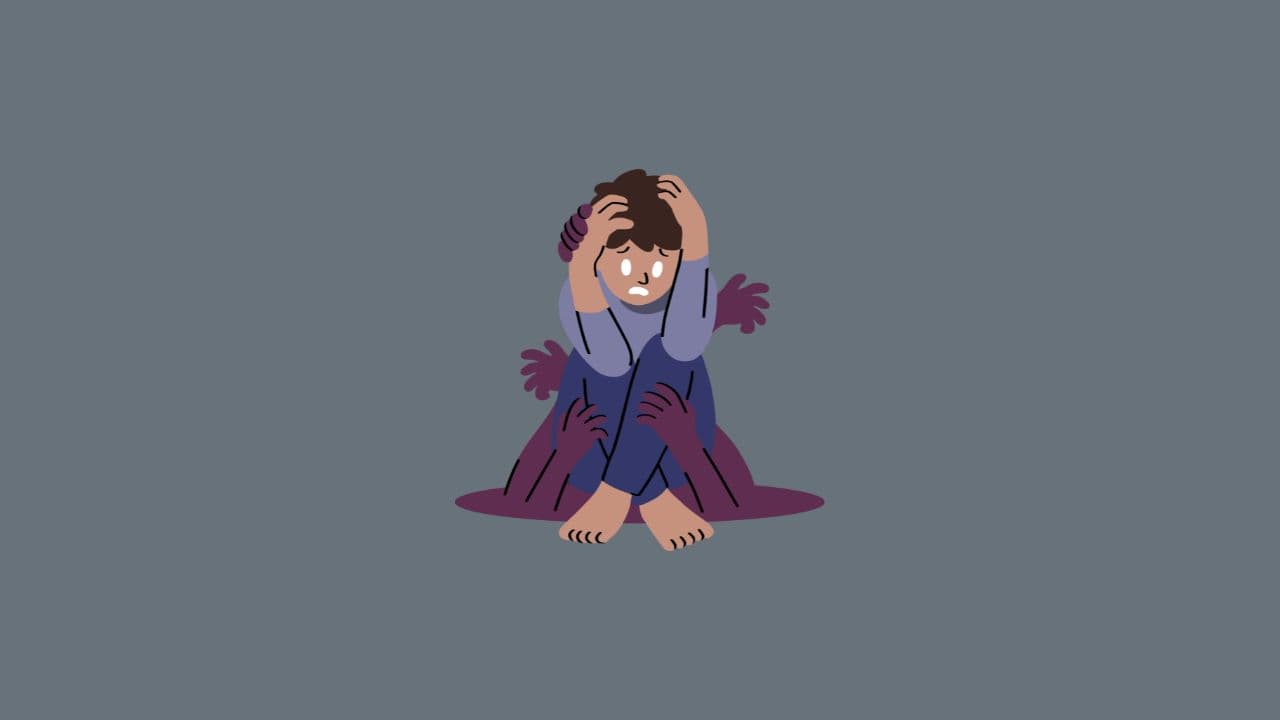
Panic attacks are episodes where multiple physical symptoms hit simultaneously, usually peaking within 10 minutes. They can include: heart pounding, inability to breathe, shaking, hot/cold sweats, dizziness, chest pain, and an overwhelming sense of doom.
Panic attacks are not dangerous, but they feel life-threatening. Many people avoid situations, places, or activities after their first panic attack — which is how anxiety begins to shrink someone's world.
"Is This Really Anxiety, or Something Else?"
It is completely reasonable to want medical evaluation before attributing physical symptoms to anxiety. Always see a doctor to rule out:
- Thyroid disorders (hyperthyroidism can mimic anxiety)
- Heart arrhythmias
- Anaemia
- Hypoglycaemia
- Inner ear conditions
If those are cleared and your symptoms persist, anxiety is worth taking seriously as a diagnosis in its own right — not just a label left over when nothing else fits.
How Therapy Helps Physical Anxiety Symptoms
The good news: anxiety's physical symptoms respond well to treatment. Cognitive Behavioural Therapy (CBT) helps retrain the brain's threat response over time. Somatic therapies work directly with the body — teaching the nervous system to regulate rather than escalate. Mindfulness-based approaches help interrupt the feedback loop between anxious thoughts and physical sensations.
If you're experiencing severe physical symptoms of anxiety and haven't yet spoken to a professional, finding the right therapist is a powerful first step.
At ApprovedTherapists.com, you can browse therapists who work with anxiety. We're a directory platform — therapists are listed on the site and have not been individually verified by us — so we always encourage you to read each therapist's profile, credentials, and approach before making contact.
Key Takeaways
- Severe anxiety creates real, measurable physical symptoms — it is not "all in your head."
- The fight-or-flight response is at the root of most physical anxiety sensations.
- Symptoms like chest tightness, dizziness, GI issues, and muscle pain are all well-documented anxiety responses.
- Medical evaluation is sensible to rule out other causes.
- Therapy — particularly CBT and somatic approaches — can significantly reduce physical anxiety symptoms.
This article is for informational purposes only and does not constitute medical advice. If you are experiencing severe symptoms, please consult a qualified healthcare professional.